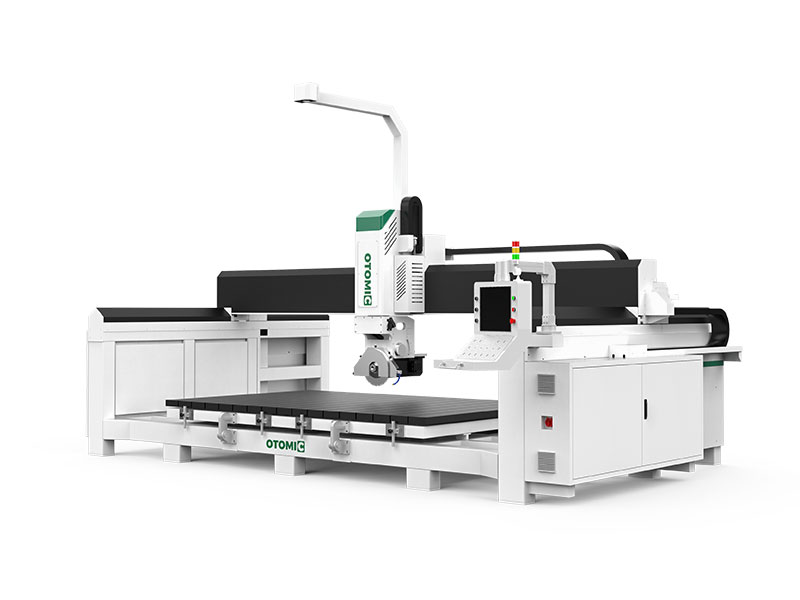
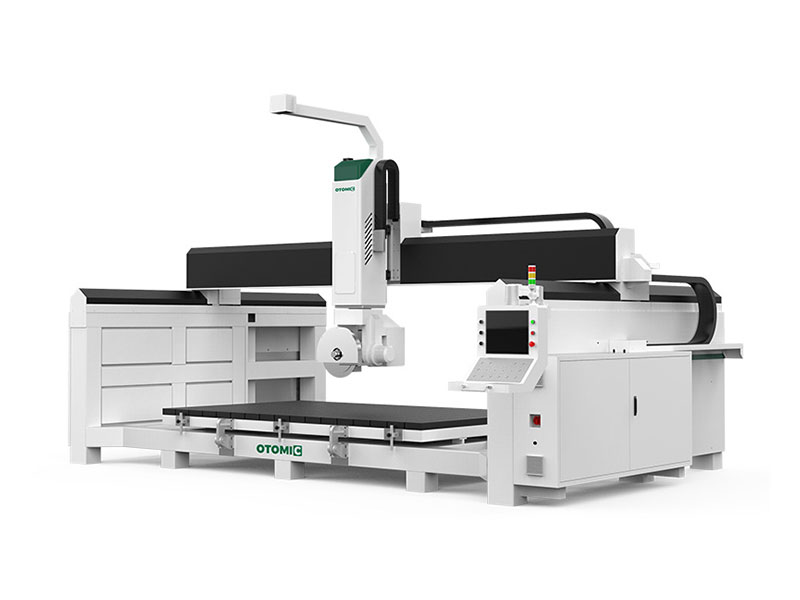
In stone fabrication and construction, bridge cutting saws play a critical role in delivering accurate, efficient cuts for materials such as granite, marble, quartz, and other engineered stones. While modern bridge saws are designed for durability and high performance, their actual service life largely depends on proper maintenance and timely troubleshooting.
Consistent care not only reduces unexpected downtime but also protects key components such as the spindle, linear guides, servo motors, and CNC control system. Below is a practical guide to help you keep your bridge saw operating reliably and efficiently for years.
Regular Maintenance Practices
1. Proper Lubrication of Moving Components
Lubrication is one of the most fundamental maintenance tasks for any CNC bridge saw. Linear guide rails, ball screws, bearings, and gear-driven components must be lubricated at regular intervals using manufacturer-recommended lubricants.
Adequate lubrication:
-
Reduces friction and mechanical wear
-
Prevents overheating of moving parts
-
Maintains cutting accuracy and smooth motion
Avoid over-lubrication, as excess grease or oil can attract stone dust and form abrasive residue that accelerates wear.
2. Routine Cleaning and Dust Control
Stone cutting generates a large amount of dust, slurry, and debris, which can negatively affect precision components if not properly managed.
After daily operation:
-
Clean the worktable, rails, and cutting area
-
Remove stone slurry and water residue
-
Use low-pressure compressed air to clean electrical cabinets and hard-to-reach areas
Special attention should be paid to linear guide covers, limit switches, and sensor areas, as accumulated debris may cause positioning errors or signal failures.
3. Blade Inspection and Replacement
The diamond cutting blade is a consumable but critical component. A dull or damaged blade:
-
Reduces cutting efficiency
-
Increases load on the spindle motor
-
Causes chipping or poor surface finish
Inspect the blade regularly for:
-
Uneven wear
-
Missing diamond segments
-
Cracks or deformation
Always use blades matched to the stone type and spindle specifications. Replacing a worn blade in time protects both the motor and the spindle bearings.

Troubleshooting Common Bridge Saw Issues
1. Motor or Spindle Overheating
Overheating is commonly caused by:
-
Excessive cutting depth or feed rate
-
Insufficient cooling water flow
-
Poor lubrication or clogged cooling channels
Check that:
-
Cooling water is flowing correctly to the blade and spindle
-
Cutting parameters match the stone material
-
Ventilation openings and heat dissipation fans are clean
If overheating persists, stop operation immediately and consult the machine manual or a qualified technician.

2. Inaccurate or Inconsistent Cutting
Loss of cutting accuracy may result from:
-
Misaligned bridge or guide rails
-
Worn linear bearings or ball screws
-
Improper blade installation or loose flanges
Regularly verify:
-
Bridge and rail alignment
-
Tightness of mechanical fasteners
-
Calibration of the CNC positioning system
Maintaining mechanical accuracy helps ensure consistent cutting quality and reduces material waste.

3. Abnormal Noise or Vibration
Unusual noise or vibration during operation is often an early warning sign of mechanical issues, such as:
-
Worn bearings
-
Loose transmission components
-
Gear or belt wear
Do not ignore abnormal sounds. Identify the source promptly and resolve the issue before it leads to more serious damage or machine downtime.
Conclusion
A bridge saw is a long-term investment, and its performance depends as much on maintenance as on machine design. By implementing regular lubrication, thorough cleaning, timely blade replacement, and proactive troubleshooting, operators can significantly extend machine lifespan while maintaining cutting precision and operational safety.
Proper maintenance not only reduces repair costs but also ensures stable production, higher product quality, and a safer working environment. In the long run, a well-maintained bridge saw delivers greater value and reliability for any stone fabrication workshop.