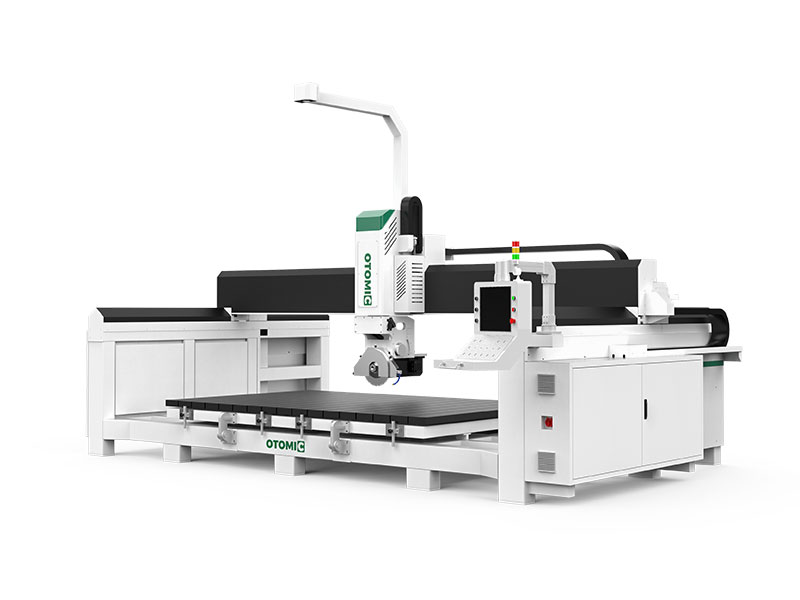
Quartz countertops are a type of engineered stone composed of quartz and resin. Quartz’s high hardness makes it prone to brittleness and wear down blades, while its high resin content makes it flammable, leading to edge burning. Quartz stone is a common countertop material in your stone industry. However, cutting quartz places high demands on the cutting method, including blade selection, water cooling, and stability. Precise cutting, proper water cooling, and high stability are essential to avoid damage.
1. Why Is It Difficult to Cut Quartz Countertops at Home?
Quartz stone, with its high hardness and resin content, is more difficult to process than granite. Cutting it at home carries many risks, such as inconsistent results from manual cutting, low efficiency and low output, and a tendency for chipping, cracking, and burning.
While cutting small quartz slabs can be done DIY, large slabs require professional cutting methods. Stability is also crucial; the stability of the cutting equipment directly affects the final cut of the quartz countertop, impacting slab damage, waste, and rework, thus affecting efficiency and production capacity.
While cutting quartz countertops at home is possible, large slabs require specialized stone processing equipment.

Why Is It Difficult to Cut Quartz Countertops at Home
2. Classification of Tools to Cutting Quartz
When cutting quartz stone, you can choose different tools depending on the specific processing requirements. Beginners can use hand tools, while stone processors can use professional cutting equipment. Choosing the right cutting tools will help you improve cutting efficiency and precision, and can also effectively prevent risks such as quartz stone chipping and scorching.
2.1 Hand tools
Hand tools mainly include angle grinders and circular saws. They are small, easy to operate manually, and highly flexible, making them suitable for small-scale operations. However, they have lower processing precision and poorer stability, and are more prone to cracking, chipping, and burning when cutting quartz.
2.2 Professional cutting tools
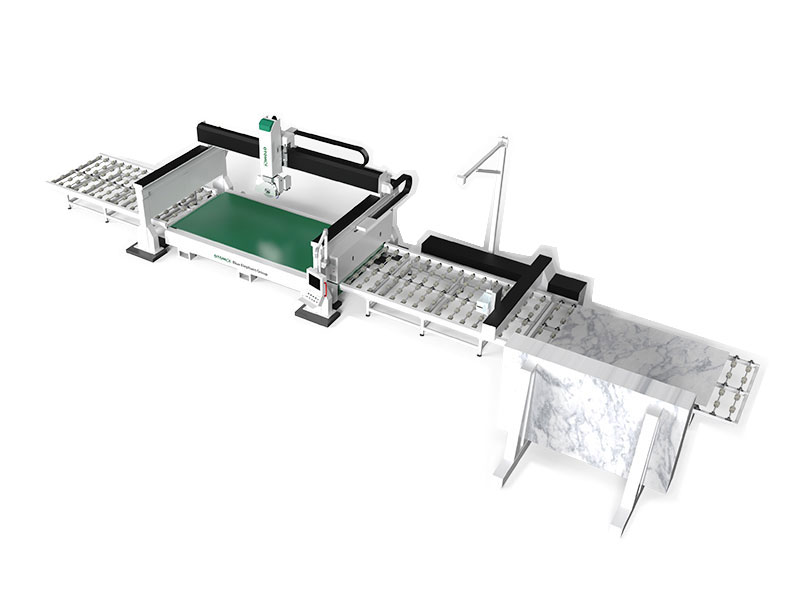
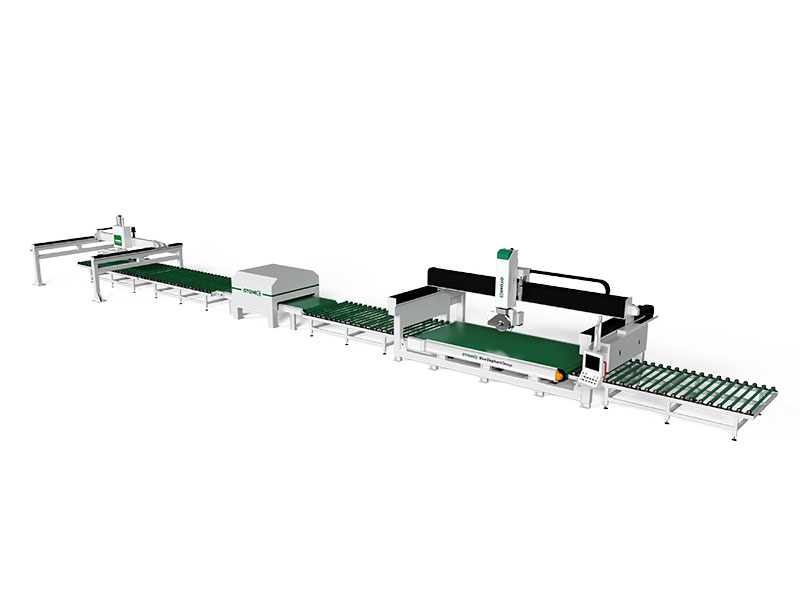
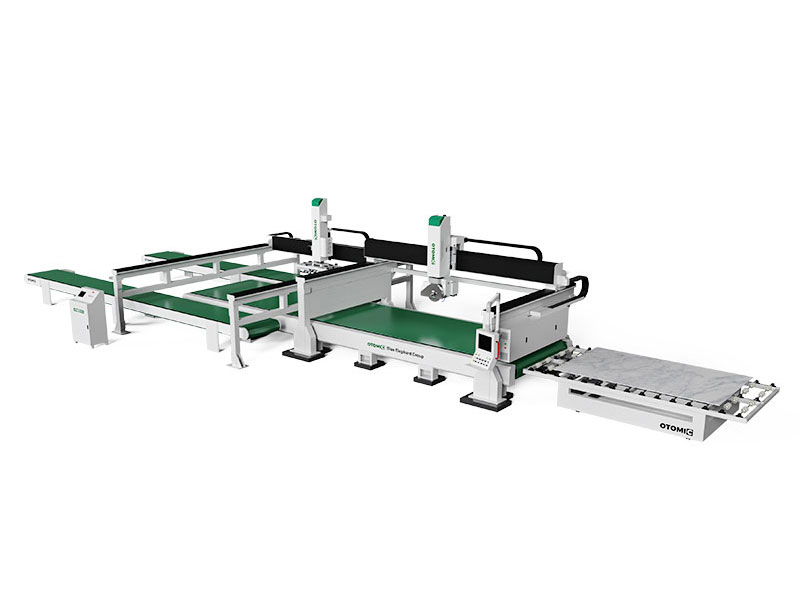
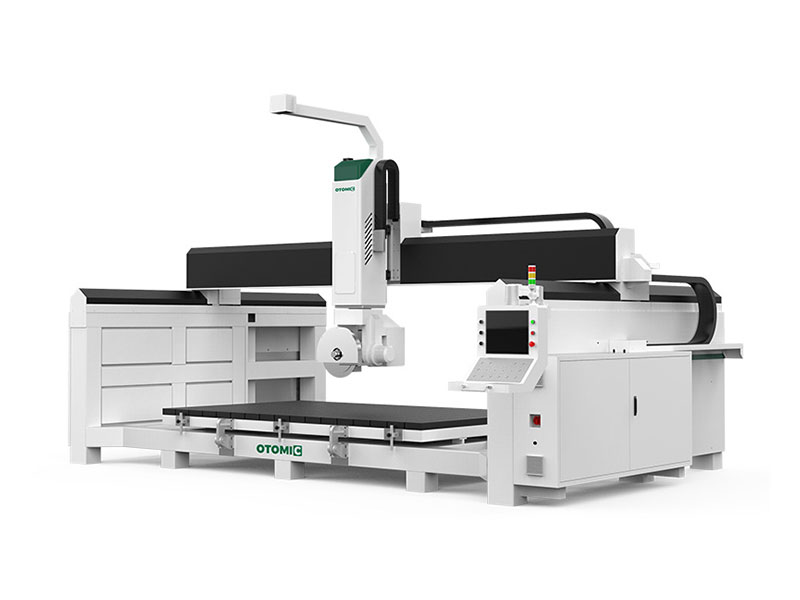
Professional quartz cutting tools mainly include bridge saws and CNC stone cutting machines. They feature high cutting precision, good rigid structural stability, and can effectively prevent the risk of edge chipping and burning, ensuring consistent cutting results and making them more suitable for processing large slabs.
3. Step-by-Step Process of Cutting Quartz
3.1 Measure & Mark
Precise measurement and marking of the cutting position are crucial foundational operations for ensuring the quality of quartz cutting. Use a tape measure or ruler to mark the cutting lines to ensure accuracy before cutting. Any deviation in the early stages will directly lead to errors and material waste during the subsequent cutting process.

Measure Mark
3.2 Secure Slab
Quartz slabs must be firmly secured and supported before cutting to prevent displacement or vibration during the process, which could lead to inaccurate cuts. Proper slab support reduces the risk of cracking or uneven edges, especially for large slabs, minimizing waste.
3.3 Choose Blade
To achieve the desired cutting effect, selecting the appropriate cutting blade is crucial. High-quality diamond blades are recommended due to their high hardness, which can handle the high hardness of quartz, reducing chipping and blade damage. The suitability of the saw blade directly affects cutting quality and efficiency.
3.4 Wet Cutting Setup
A wet cutting system is essential throughout the quartz cutting process. A proper water flow cools the blades promptly, preventing overheating and damage, as well as edge burning, which affects cutting accuracy and quality. Setting up the wet cutting system is the most crucial step in professional stone cutting.
3.5 Cutting Process
Maintaining a stable feed rate throughout the cutting process prevents cutting errors caused by vibration, ensuring consistent final cutting results and smooth edges, and reducing chipping, cracking, and waste of quartz slabs.

3.6 Edge Finishing
After the cutting process is completed, the cut edges of the slab must be sanded and polished. This improves the overall aesthetics of the slab and reduces the risk of edge injuries, increasing safety.
4. Wet Cutting vs Dry Cutting Quartz
4.1 Dry Cutting
Dry cutting, as the name suggests, involves cutting without water cooling, which is convenient. However, it also has many disadvantages. Because there is no water to cool the blade, the continuous high temperature can easily damage the saw blade, causing chipping of the sheet material and affecting cutting accuracy and results. Furthermore, it generates a lot of dust, posing a significant risk to the working environment and worker health.
4.2 Wet Cutting
Wet cutting utilizes a water-cooling system, using a continuous flow of water to cool the cutting blades. This effectively cools the blades, extending their lifespan and improving cutting precision and quality. The water flow also reduces dust, minimizing dust pollution in the workshop and creating a cleaner, easier-to-clean working environment. Wet cutting is the most essential cutting method and is mandatory for your professional quartz fabrication.

Wet Cutting
5. Manual Cutting vs Machine Cutting
| Feature | Manual Cutting | Bridge Saw | CNC Machine |
| Precision | Low | High | Very High |
| Efficiency | Low | High | High |
| Edge Quality | Inconsistent | Clean | Extremely Clean |
| Risk of Chipping | High | Low | Very Low |
| Repeatability | Low | High | Very High |
| Best Use | Small adjustments | Straight cuts | Complex shapes & automation |
Hand tools are suitable for small, flexible on-site tasks.
Bridge saws are suitable for precise, specialized cutting tasks on large slabs such as quartz.
CNC machines are used for complex processing steps, achieving the highest precision in grooving, batch processing, and other applications.
If your main applications are in large stone processing plants, such as for high-precision work like quartz countertops, manual tools have limitations in terms of precision and efficiency. Specialized stone cutting machines like bridge saws and CNC machines are ideal long-term investment options.
6. When to Use a Bridge Saw or CNC Machine
The choice between manual and automated professional cutting machines depends on the complexity of your cutting task, the required cutting precision and efficiency, and the scale of your processing. Manual tools offer flexibility and allow for on-site fine-tuning; however, machining large quartz tabletops requires a more precise and stable cutting solution.
6.1 Use a Bridge Saw:
- Precision straight-line cutting of quartz slabs
- Handling large quartz countertop projects
- Requirement for consistent cut edge quality
- Medium to high production volume
Bridge saws are widely used for standard, consistent slab cutting, balancing precision, efficiency, and cost.
6.2 Use a CNC Machine:
- Cutting complex shapes or multiple angles
- Water tank openings or customized designs
- Highly repeatable or automated
- Large-scale continuous production
CNC machines are high-end equipment focused on achieving both consistency and precision in complex cutting effects.


7. Common Problems When Cutting Quartz & Solutions
These common problems arise from unsuitable cutting equipment and unstable cutting conditions. Therefore, your professional quartz countertop machining requires higher-precision specialized equipment to ensure consistent cutting results.
7.1 Chipping
Cause:
The main causes of edge chipping are unsuitable cutting tools, unstable feed speed, or insufficient water cooling. The high hardness and resin content of quartz stone make it prone to edge chipping during cutting, affecting the final product quality.
Solution:
We recommend using high-hardness, high-quality diamond saw blades to ensure continuous feed cutting speed and sustained water cooling. Stable cutting conditions are fundamental for clean quartz cutting and reduced chipping.
7.2 Cracking
Cause:
Cracking is often caused by insufficient support of the slab, uneven internal stress, or uneven pressure during the cutting process. Large quartz slabs are prone to cracking if not properly secured, resulting in waste.
Solution:
Before cutting, ensure the sheet material is properly secured and fully supported. Apply uniform cutting pressure at a constant speed during the cutting process to prevent displacement. Proper installation conditions are crucial for minimizing quartz cracking.

Cracking
7.3 Burn Marks
Cause:
Edge burning occurs because the blade overheats or becomes dull during cutting, or due to dry cutting or unstable cutting speed. The resin component of quartz is prone to discoloration and edge burning when heated.
Solution:
Using wet cutting methods and maintaining a suitable, continuous water flow to cool the blade promptly and prevent overheating are all effective ways to prevent quartz edge burning. Keeping the blade sharp and combining this with a stable cutting speed are also effective methods to prevent quartz edge burning.

Burn Marks
7.4 Inaccurate Cuts
Cause:
Inaccurate cutting is caused by human error, unstable equipment structure, and inconsistent cutting speed. Manual tools often lack the precision required for specialized straight lines and repetitive cutting.
Solution:
Use a suitable cutting positioning and guiding system to ensure the accuracy of slab fixation and cutting position. We recommend using a bridge saw or a CNC stone cutting machine; these more stable professional devices provide more consistent and precise cutting accuracy and results.
8. Professional Tips for Cutting Quartz
Cutting quartz requires precise cutting, stable operation, and correct techniques. Even with the right tools, there are risks such as chipping and cracking. Therefore, mastering the correct techniques will greatly help you improve cutting accuracy and achieve consistent results.
8.1 Use the Suitable Diamond Blade
We recommend using a high-quality diamond saw blade specifically designed for cutting quartz countertops. A suitable saw blade can effectively reduce chipping and ensure a smooth cut edge.

Use the Suitable Diamond Blade
8.2 Wet Cutting Control System
Providing a stable water flow during cutting reduces dust. Timely cooling of the blade prevents overheating, which can lead to decreased precision and burnt edges on the sheet metal. It also protects the blade and extends its lifespan.
8.3 Maintain a Steady Feed Rate
Maintaining a stable feed rate can significantly reduce errors caused by material vibration. This leads to more precise cutting, resulting in smooth, consistent cuts. Ultimately, it improves material utilization and overall ROI.
8.4 Ensure Proper Support for Slab
Properly supporting the sheet material with uniform composition before cutting is fundamental to minimizing its movement. If the sheet material is not properly secured and shifts during cutting, it reduces cutting accuracy and can lead to material cracking.
8.5 Minimize Vibration
Cutting vibration is a key cause of cracking, chipping, and rough cut edges in sheet materials. Stable cutting settings and operations, combined with sheet material fixation, effectively improve cutting accuracy and ensure the quality of cut edges and the overall finish.
9. FAQ
Q1: Is it better to cut quartz in one go or multiple cuts?
For most quartz slabs, a single, precise cut is sufficient. However, for slabs that are too large or thick, multiple cuts are necessary to reduce material stress.
Q2: Can quartz be cut into curves or custom shapes?
Yes, quartz can be cut into curved shapes, drainage openings, or other custom shapes. However, these are complex cutting processes requiring high-precision control systems and operations. Advanced cutting systems are needed instead of ordinary or manual tools.
Q3: How thick can quartz be cut?
Quartz stone slabs are typically between 12mm and 30mm thick. Thicker slabs require more powerful equipment and stable cutting conditions to ensure clean, precise cuts.
Q4: Can quartz countertops be cut after installation?
Yes, but only for minor adjustments. Cutting an installed quartz countertop is very risky. Careless handling, using unsuitable tools, or insufficient support can cause the countertop to chip or crack.
Q5: Can you polish quartz edges after cutting?
Yes. After cutting, the edges of the quartz can be polished using a special polishing pad to achieve a smooth and refined appearance, especially suitable for countertop edges.
10. Conclusion
Quartz’s high hardness necessitates high-precision cutting. Hand tools have limitations. Professional cutting equipment is the standard in your stone fabrication industry. Bridge saws and stone cutting machines are ideal for ensuring accurate, efficient, and consistent quartz cutting.
Our bridge saw combines cutting precision, efficiency, and consistent results. It is widely used in quartz countertop machining. It can effectively improve your machining efficiency, precision, edge quality, and overall appearance, thereby increasing overall profits.